
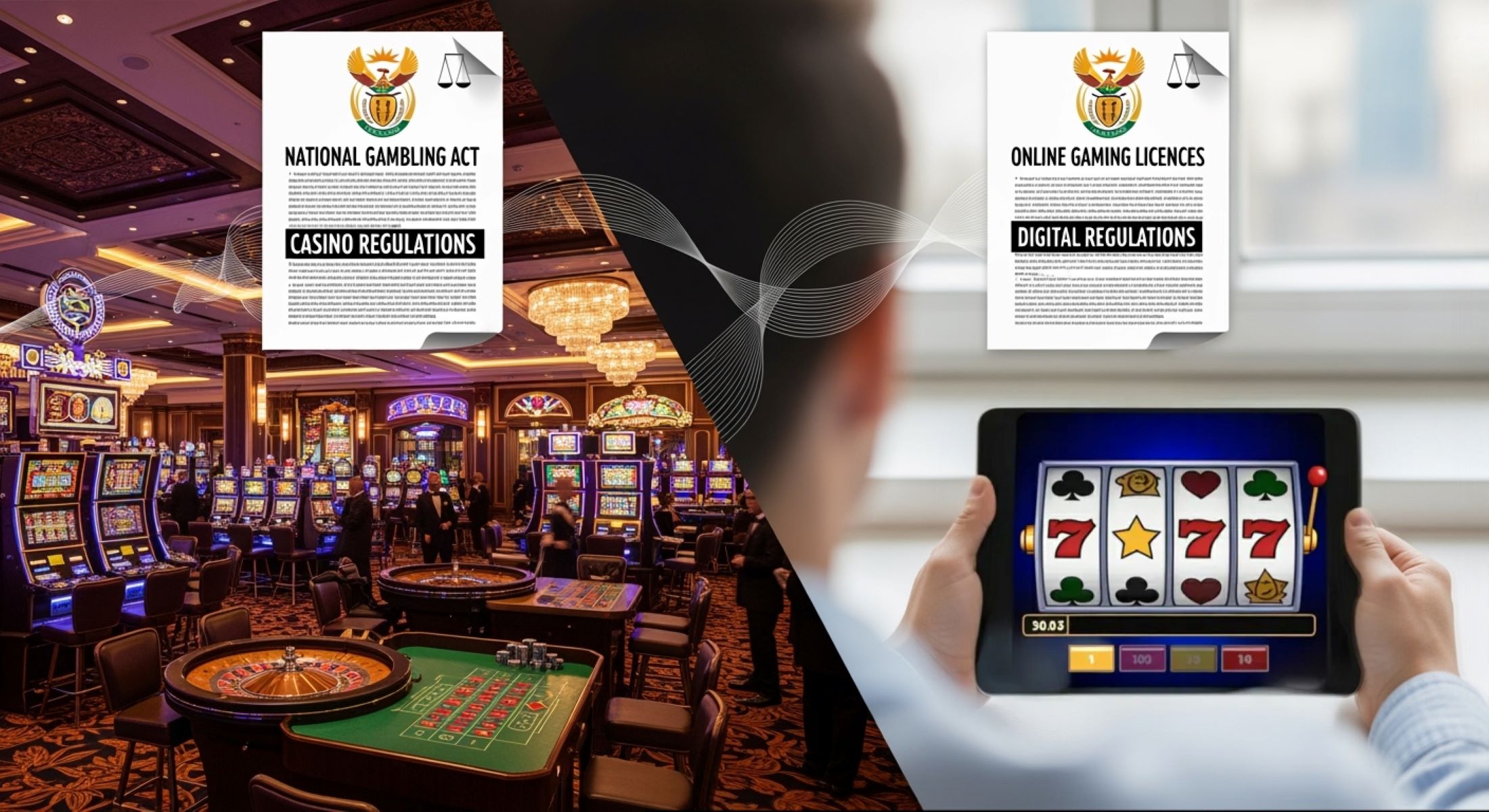
Have you ever wondered if the casino games you play in South Africa are properly regulated? Why does it even matter whether the providers behind these games follow strict rules? Well, regulation is the backbone of a safe, fair, and trustworthy gambling environment. Without it, players would be at risk of scams, unfair games, and shady business practices. South Africa, known for its vibrant casino culture, has a complex but solid legal framework overseeing casino game providers — both online and land-based. In this article, we’ll explore how these providers are regulated, who enforces the rules, and what it means for players like you.
Casino Game Providers
Casino game providers are the companies or developers responsible for creating the various games that players enjoy in both land-based and online casinos. These providers design everything from traditional slot machines and roulette wheels found in physical casinos to digital slots, poker games, and live dealer experiences in online platforms. Essentially, without these providers, casinos wouldn’t have any games to offer, as they supply the software, mechanics, and entertainment that attract players. Their innovation and technical expertise form the backbone of the casino gaming experience.
In South Africa, the role of casino game providers is particularly important due to the country’s well-regulated gambling market. Providers must ensure their games meet local regulations and standards for fairness and security. This means developing games that operate on certified Random Number Generators (RNGs), follow responsible gaming guidelines, and are regularly tested by independent bodies. The success and trustworthiness of casinos often depend heavily on the reputation and compliance of these providers.
The Role of Providers in Online and Land-Based Casinos
In land-based casinos, game providers focus on manufacturing physical gaming machines and developing the software that powers these machines. This includes everything from the mechanics inside slot machines to the interfaces players interact with on electronic roulette or blackjack tables. The provider’s responsibility here is not only technical but also ensuring the machine’s performance is consistent and fair according to legal standards. They must work closely with casino operators to maintain the hardware and software, including periodic upgrades and maintenance.
For online casinos, providers have an even broader role. They create the entire digital environment, which encompasses the game mechanics, graphics, sound effects, user interface, and the underlying RNG systems that guarantee fairness. Online providers must deliver a seamless and engaging experience across multiple devices like smartphones, tablets, and desktops. Because players cannot physically inspect the machines, the integrity of the software and the trustworthiness of the provider become paramount. In South Africa, online providers are also required to meet stringent regulations and obtain licenses to operate legally within the country.
Overview of Gambling Laws in South Africa
South Africa’s gambling industry operates within a complex legal framework designed to balance industry growth with player protection. The country enforces strict laws to ensure gambling activities are conducted fairly and responsibly. The gambling laws regulate everything from who can operate casinos to how games are developed, marketed, and monitored. These laws aim to minimize illegal gambling, protect vulnerable individuals, and ensure that all stakeholders adhere to ethical standards.
The National Gambling Act
The National Gambling Act of 2004 is the cornerstone legislation that governs gambling activities in South Africa. This Act provides the legal framework for licensing, regulating, and controlling gambling to promote fairness, prevent crime, and protect players. It defines the roles of the National Gambling Board (NGB) and provincial gambling boards, setting clear rules on how gambling businesses must operate.
Key objectives of the Act include ensuring that gambling is conducted with integrity, transparency, and accountability. The law covers a broad range of gambling activities, including casinos, betting, lotteries, and online gambling. It also outlines strict penalties for illegal gambling and mechanisms for dispute resolution between players and operators. This Act is regularly reviewed to keep pace with technological advancements and changes in the gambling landscape.
Provincial Gambling Authorities
South Africa’s gambling regulation is unique in its provincial structure. Each province has its own gambling board responsible for overseeing the gambling industry within its borders. Notable provincial authorities include:
- Gauteng Gambling Board – One of the most prominent due to Gauteng’s economic significance.
- Western Cape Gambling and Racing Board – Regulates gambling in the Western Cape province.
- KwaZulu-Natal Gaming and Betting Board – Oversees gambling activities in KwaZulu-Natal.
These provincial boards issue licenses to operators and game providers, conduct compliance checks, and enforce regulations. They handle day-to-day monitoring and ensure that gambling businesses adhere to both the National Gambling Act and provincial-specific regulations. By decentralizing authority, South Africa can address regional gambling issues more effectively.
How Legislation Impacts Providers
Casino game providers operating in South Africa must carefully comply with both national and provincial legislation. This means they are required to:
- Obtain the appropriate licenses from provincial gambling boards.
- Submit to thorough background checks and financial audits.
- Ensure their games undergo rigorous testing for fairness and security.
- Follow anti-money laundering (AML) protocols and responsible gambling guidelines.
These legal requirements are designed to maintain the integrity of the gambling market and protect consumers from fraud or unfair practices. Providers who fail to comply risk losing their licenses, facing heavy fines, or being banned from operating within the country. The legislation also encourages providers to innovate responsibly, balancing player engagement with ethical considerations. Ultimately, these laws create a safer, more trustworthy gaming environment for everyone involved.
Regulatory Bodies Governing Casino Game Providers
In South Africa, the regulation of casino game providers is handled by multiple authorities to ensure a consistent and fair gambling environment across the country. The National Gambling Board (NGB) plays a central role in overseeing the entire gambling industry. Its main responsibility is to enforce compliance with the National Gambling Act and ensure that all provincial gambling boards execute their duties effectively. The NGB acts as a national watchdog, providing guidance, support, and supervision to maintain a unified regulatory framework. By doing so, it helps prevent illegal gambling activities, protects players, and upholds the integrity of the gambling market nationwide.
Alongside the NGB, individual provincial gambling boards manage day-to-day regulatory functions within their respective provinces. Each board is empowered to license casino operators and game providers, conduct thorough inspections, and enforce compliance with both national and provincial laws. These boards work closely with operators to ensure games are fair, that financial transactions are secure, and that players’ rights are protected. The decentralization allows provinces to tailor their oversight according to local needs while maintaining overall national standards.
| Regulatory Body | Jurisdiction | Key Functions |
| National Gambling Board (NGB) | National (South Africa) | Oversees industry-wide compliance, enforces National Gambling Act, supervises provincial boards |
| Western Cape Gambling and Racing Board | Western Cape Province | Issues licenses, conducts inspections, enforces local gambling laws |
| Gauteng Gambling Board | Gauteng Province | Licenses operators/providers, audits compliance, local enforcement |
| KwaZulu-Natal Gaming and Betting Board | KwaZulu-Natal Province | Monitors operators, manages licensing, handles disputes |
Role and Powers of These Regulatory Bodies
These regulatory bodies are vested with significant authority to ensure the gambling sector operates legally and fairly. They have the power to grant licenses to new casino operators and game providers, allowing them to legally offer their services within South Africa or specific provinces. Moreover, these boards can suspend or revoke licenses if providers fail to comply with the established legal and ethical standards. This ability to remove non-compliant providers from the market is essential for maintaining industry integrity and protecting players.
In addition to licensing powers, regulatory authorities carry out regular audits and investigations to monitor ongoing compliance. They assess whether providers adhere to fair gaming practices, maintain financial stability, and implement adequate security measures to protect player data and funds. Penalties for violations can range from fines to operational restrictions, ensuring that providers prioritize transparency and player protection. Together, these powers form a robust enforcement framework that safeguards the South African gambling ecosystem.
Licensing Requirements for Casino Game Providers
Licensing Process Explained
For casino game providers seeking to operate in South Africa, obtaining the appropriate license is the first and most crucial step. This application must be submitted to the gambling board in the province where they intend to operate. The process is thorough and involves a comprehensive background check of the company and its principals to ensure they have no criminal records or involvement in unethical activities. Providers are also required to submit detailed technical documentation, demonstrating that their games meet South African regulatory standards for fairness and security.
Financial transparency is another important aspect of the licensing process. Providers must prove their financial stability and capacity to sustain operations without resorting to fraudulent behavior. This often includes submitting audited financial statements and business plans. Overall, the licensing procedure is designed to filter out unreliable or unscrupulous providers, allowing only reputable businesses to enter the market.
Compliance and Auditing Procedures
After successfully obtaining a license, casino game providers enter a phase of ongoing compliance monitoring. Regulatory boards conduct regular audits to verify that the games offered maintain their fairness through certified Random Number Generators (RNGs) and that all software updates comply with legal standards. Additionally, financial audits ensure that providers maintain proper accounting practices and that player funds are managed responsibly.
Security is another key focus of these audits, especially concerning data protection and anti-money laundering measures. If a provider fails to meet these standards, regulators have the authority to impose fines, suspend operations, or revoke licenses altogether. This constant oversight encourages providers to remain vigilant and maintain high standards, ensuring a safe environment for South African players.
How Providers Maintain Licenses
Maintaining a license requires ongoing effort and cooperation with regulatory bodies. Providers must regularly submit compliance reports, including updates on their gaming software, security protocols, and financial health. Open communication with regulators is essential, especially when laws or standards change. Providers are expected to stay informed about legislative updates and adjust their operations accordingly.
Additionally, providers often undergo periodic re-certification and third-party testing to verify game fairness and technical compliance. Failure to maintain transparent operations or meet new regulatory demands can result in penalties or license revocation. Therefore, continuous compliance is not only a legal requirement but also a business necessity for long-term success in South Africa’s gambling industry.